Research
I conduct multidisciplinary research in
petrology and (micro)structural geology,
focusing on processes at convergent plate boundaries.
I am particularly interested in the feedback between
fluid-rock interactions and deformation, and their mechanical and geochronological implications.
Check out my publications for more details.
My approach combines:

studies

What I'm working on

I am developing numerical and thermodynamic modeling tools to better understand volatile exchanges and redox reactions in Earth 's deep interior under high-pressure and low-to-high-temperature conditions. This project focuses on integrating Gibbs free energy minimization algorithms (GFEM) with reactive transport models, leveraging AI techniques.
Collaborative Projects
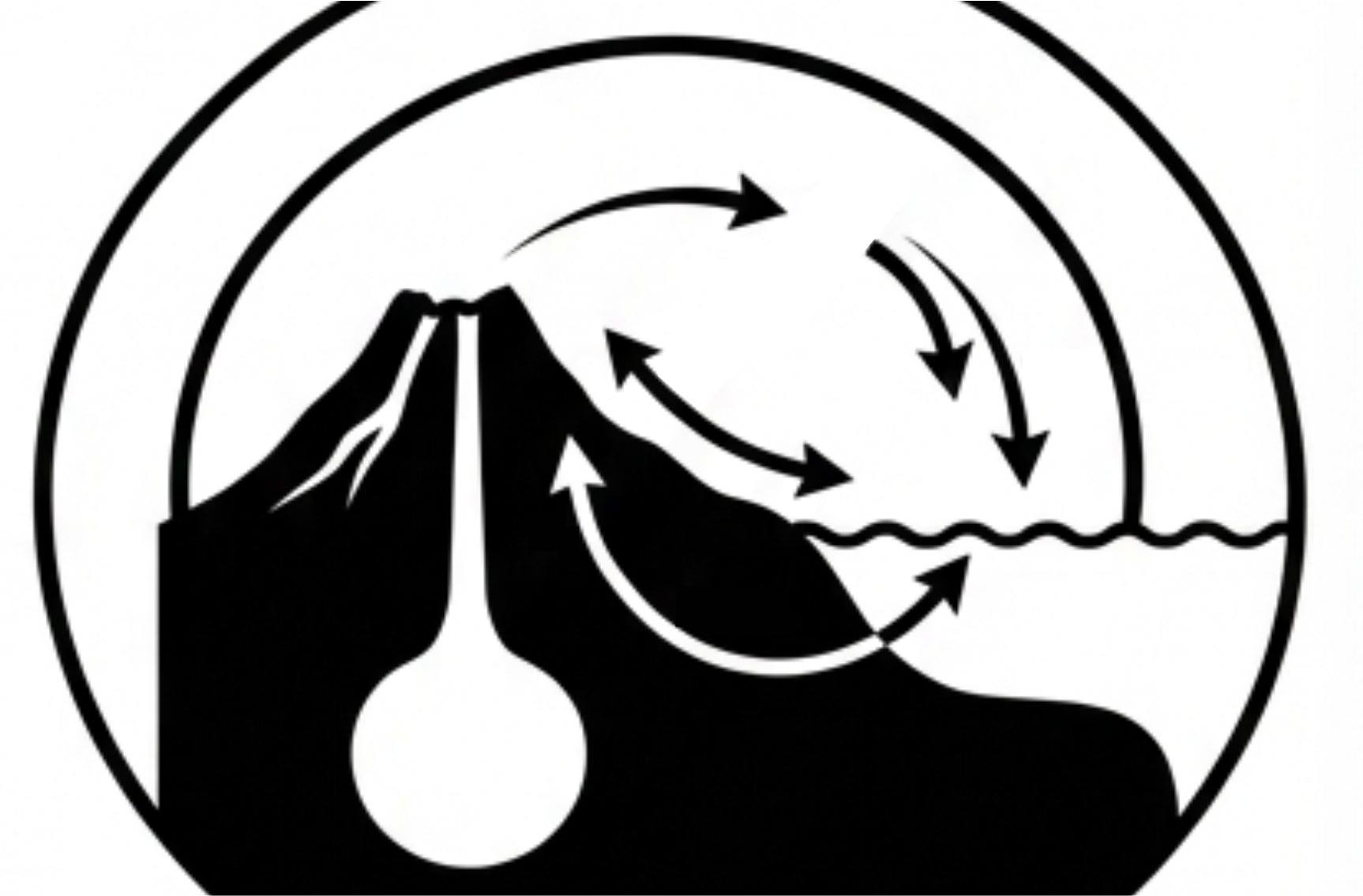
RUSTED: Role of ultramafic rocks in the cycle of volatiles of the deep Earth
PI's: C.J. Garrido & J.A. Padrón-Navarta (IACT-CSIC, Spain)
The RUSTED project aims to enhance our understanding of the role of ultramafic rocks in the deep cycling of two key volatile elements: sulfur and carbon.
My work focuses on integrating electron backscatter diffraction (EBSD) with advanced thermodynamic modeling to investigate a novel mechanism of carbon retention during high-pressure deserpentinization and the interaction of serpentinites with reduced COHS fluids.
I presented these results during an invited talk at EGU 2024

GarNeat: Exploring shock metamorphic microstructures in garnets
PI: K. J. Gajewska (Lund University, Sweden)
The GarNeat project aim to characterize features observed in naturally and experimentally shocked (subjected to meteoritic impact events) garnets by integrating electron backscatter diffraction (EBSD) data with computational analyses of fracture networks that will allow to re-evaluate shock-induced fracturing that has already been shown in few previous studies.
My work here focuses on developing a python-based tool for qualitative analyses of fracture networks.
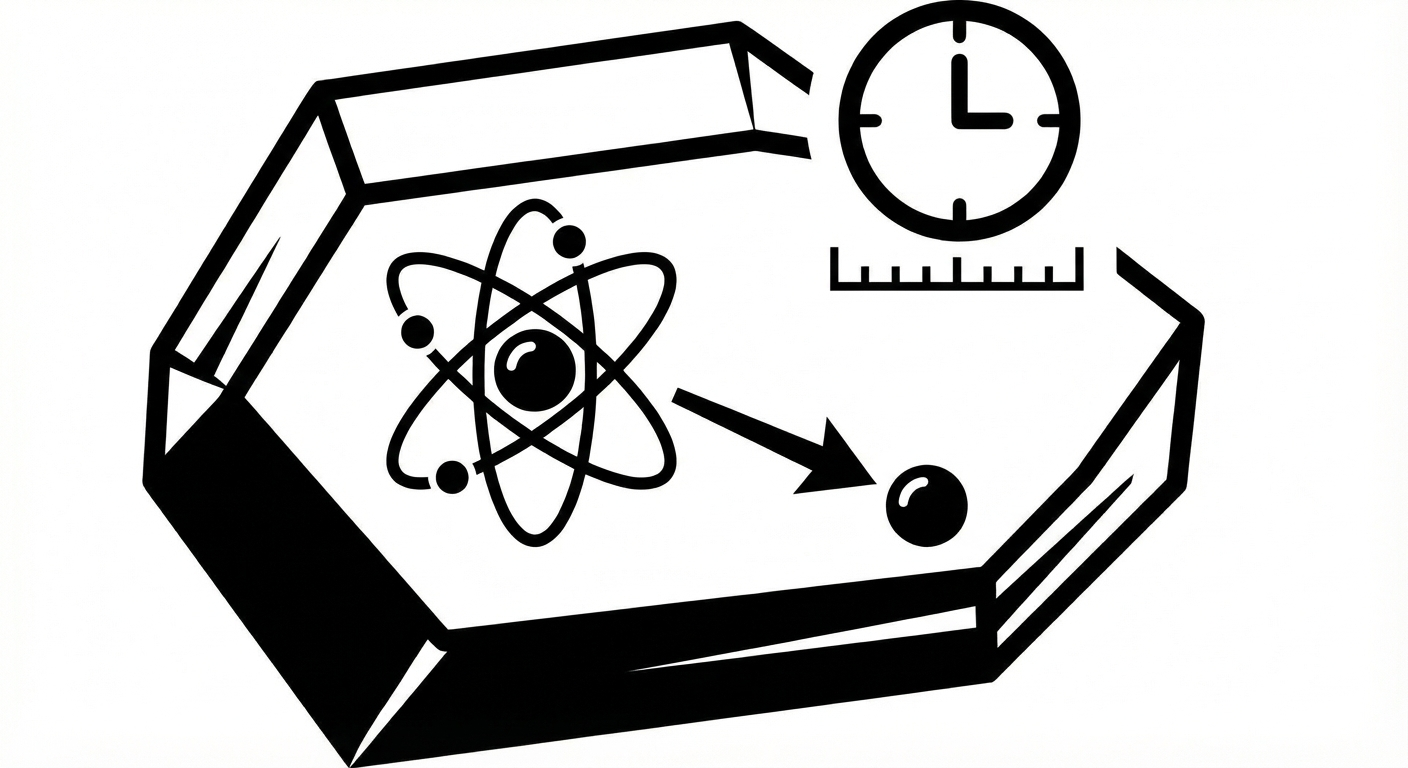
Advancing in situ white mica 40Ar/39Ar and Rb-Sr geochronology as tools to resolve tectonic processes
PI: C.J. Barnes (University of British Columbia - Okanagan, Canada)
The project aims to advance white mica geochronology by leveraging recent analytical developments that enable high-spatial resolution dating of individual grains preserved in their structural context. Despite these advancements, white mica has not yet been fully developed as a reliable geochronometer. This research is designed to explore and harness its potential through state-of-the-art in situ 40Ar/39Ar and Rb-Sr geochronological techniques.
My work here focuses on investigating white mica microstructures using electron backscatter diffraction (EBSD) to provide insights into lattice deformation and its potential implications for geochronology.
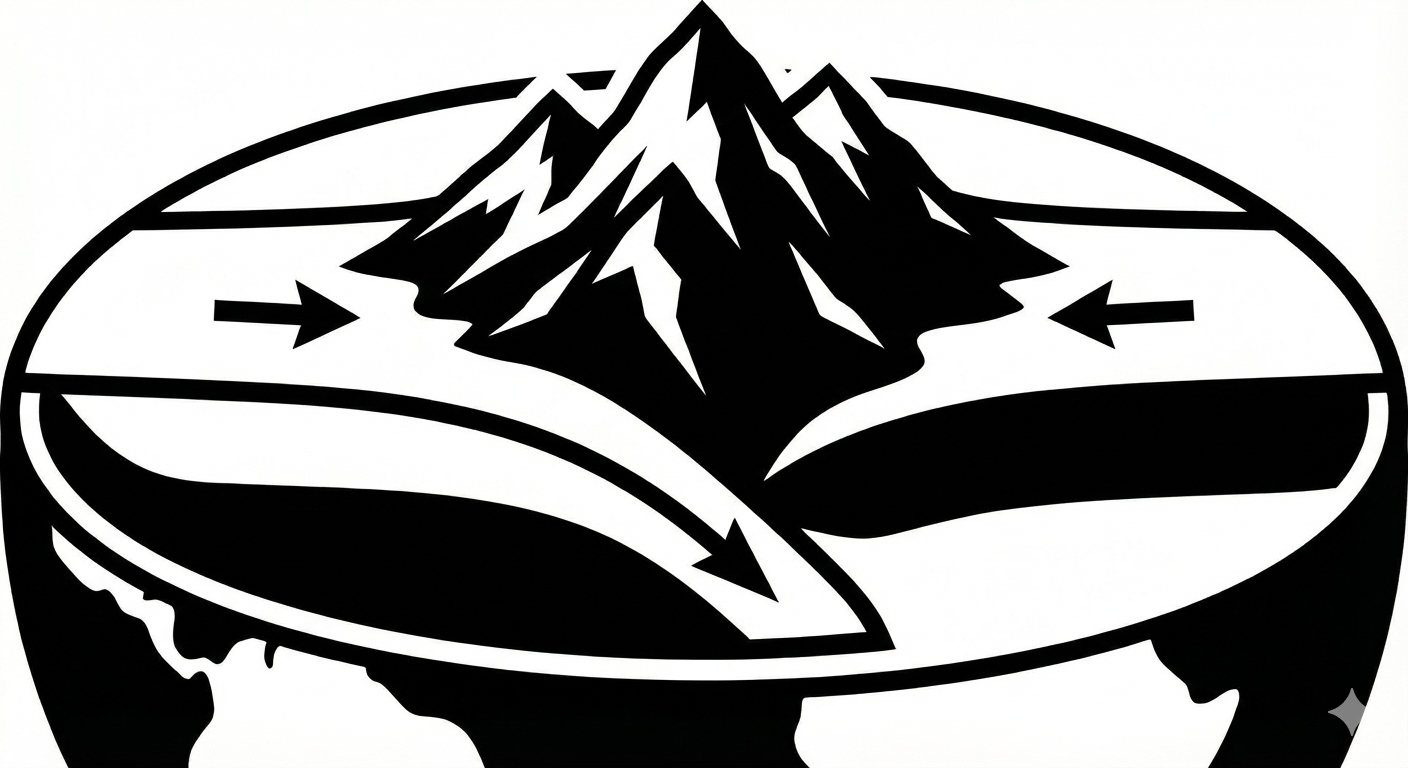
Closure of the Alpine Tethys Ocean recorded in the Pieniny Klippen Belt of the Western Carpathians
PI: J. Majka (Uppsala University, Sweden & AGH University of Krakow, Poland)
The main themes of the research project includes (1) geophysical imaging of the deep crust and shallow mantle within and across the Western Carpathians; (2) documenting remnants of the Alpine Tethys and establishing time constraints for the formation of the suture zone; and (3) formulation of a new evolutionary model of Variscan crystalline basement, disappearance of the Alpine Tethys Ocean and build-up of the Western Carpathians.
My work here focuses on understanding the juxtaposition of Variscan crystalline basement and its Alpine reactivation using the integrating electron backscatter diffraction (EBSD), thermodynamic modelling and 40Ar/39Ar and Rb-Sr geochronology.